
Continuous perfusion culture using a microfluidic separation device
in collaboration with Dr. Hamel group in chemical engineering department of MIT
A lot of biopharmaceuticals nowadays are produced by mammalian cell culture. In perfusion culture mode, fresh medium is continuously supplied to cell containers while toxic metabolites and valuable by-products such as antibodies are collected from the containers. Therefore, researchers can grow cells in a favorable culture environment and achieve higher cell densities and productivity. Several retention devices are used to retain cells in the bioreactors. However, existing membrane-based filtration technology has some challenges such as membrane fouling and clogging. Using our membrane-less microfluidic separation devices, we are trying to run continuous perfusion culture for a long time.
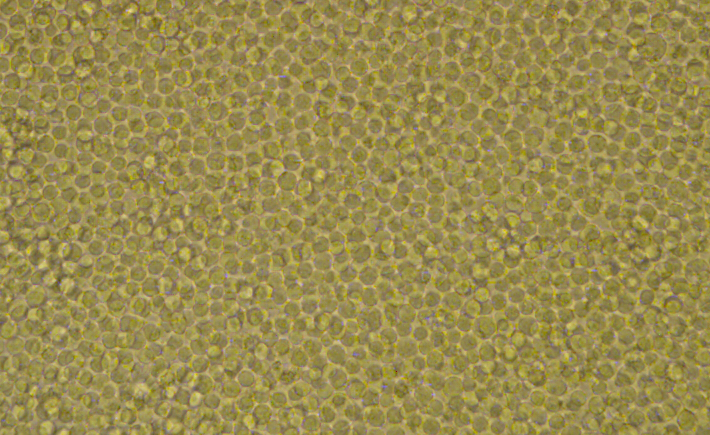
Figure: Chinese Hamster Ovary (CHO) cells
References:
Wu, L. D., et al. (2012). “Separation of Leukocytes from Blood Using Spiral Channel with Trapezoid Cross-Section.” Analytical Chemistry 84(21): 9324-9331.
Guan, G. F., et al. (2013). “Spiral microchannel with rectangular and trapezoidal cross-sections for size based particle separation.” Scientific Reports 3.
Warkiani, M. E., et al. (2014). “Slanted spiral microfluidics for the ultra-fast, label-free isolation of circulating tumor cells.” Lab on a Chip 14(1): 128-137.
Last updated: 30 MAY 2015
Author: Taehong Kwon